
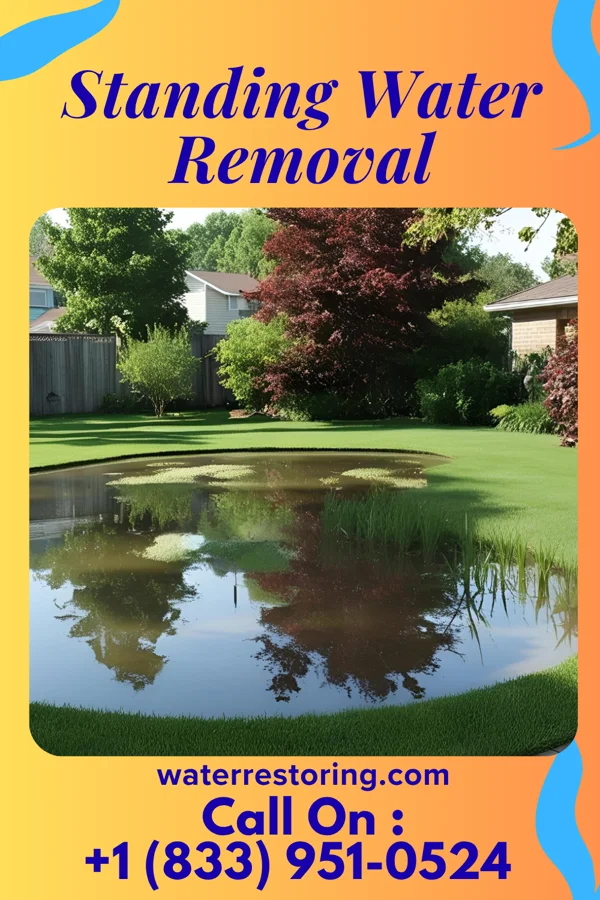
Why Lake Bosworth Sees Standing Water Often
The pattern in Lake Bosworth is consistent. Lake Bosworth, Washington is prone to water damage from seasonal flooding due to its proximity to Canyon Creek and the surrounding rural terrain. Heavy rainfall events can lead to standing water in homes and properties, especially in lower-lying areas near the creek. This is exacerbated by the region's frequent summer thunderstorms and winter snowmelt. drives most of the emergency restoration calls we get. A close second is In addition to flooding, water damage in Lake Bosworth often results from burst pipes, leaking appliances, and groundwater seepage through poorly sealed basements. The rural setting also means that natural water sources can unexpectedly overflow into residential areas during extreme weather..
Lake Bosworth experiences a temperate climate with wet winters and dry summers, making it susceptible to both flash flooding and prolonged periods of standing water. The area's low elevation and proximity to waterways increase the risk of water intrusion during heavy precipitation events.
Lake Bosworth experiences a temperate climate with wet winters and dry summers, making it susceptible to both flash flooding and prolonged periods of standing water. The area's low elevation and proximity to waterways increase the risk of water intrusion during heavy precipitation events. The dominant local driver is Lake Bosworth, Washington is prone to water damage from seasonal flooding due to its proximity to Canyon Creek and the surrounding rural terrain. Heavy rainfall events can lead to standing water in homes and properties, especially in lower-lying areas near the creek. This is exacerbated by the region's frequent summer thunderstorms and winter snowmelt., with In addition to flooding, water damage in Lake Bosworth often results from burst pipes, leaking appliances, and groundwater seepage through poorly sealed basements. The rural setting also means that natural water sources can unexpectedly overflow into residential areas during extreme weather. showing up as the next most common cause. Damage builds in stages. Spread. Absorption. Microbial growth. Structural compromise. Every stage you pass through adds to the final bill.
For public guidance on the health effects of mold after prolonged water exposure, see the EPA mold and health page.